

1 million for defibrillators in public places and schools
In the budget it has been announced that the government has set aside 1 million for defibrillators in public places and schools. This is great news as it enables more lives to be saved. A recent report into public access defibrillators found that where they’re available chances of survival have increased to 40%, with 20% surviving to discharge from hospital. Personally I think as there are more defibrillators available and more people learn to use them and perform CPR this number will surely increase.
Defibrillators are a key link in the ‘chain of survival’ from the Resuscitation Council (UK) and need to be employed within the first 3 minutes of a cardiac arrest to be most successful. For every minute of delay the chances of survival decrease by 10%. Therefore having them widely available has to be a positive. Last week I wrote about whether they are a requirement for dentists and although they are not a mandatory requirement there is an expectation that they will be available on any health care premise.
Defibrillators in schools
Having defibrillators in schools not only means they are available to use but it also raises awareness of CPR and Automated External Defibrillators (AEDs) across the whole school community. It has been shown that teaching children CPR has a positive impact on survival rates.

Schools have been able to purchase AEDs at a reduced cost via the NHS supply chain and the document explaining the process can be found here. I’ve been unable to find the specifics of how the £1 million will be allocated or used, perhaps if you know you would please add it to the comments below. I don’t know if it will be used to further subsidise the cost of purchase, for instance.
Learning to use a defibrillator
AEDs are designed to be used by someone with no prior experience and all are made to give clear instructions to the user. Therefore you don’t require formal training. If placed in a workplace then they are covered by the normal workplace equipment regulations and it’s important that staff are familiarised with it. There are lots of ways of achieving this.
The manufacturer may be willing to come and provide some awareness training or it may be possible to cascade the training through the organisation. Alternatively if you would like something more formal that is also possible.
I’m passionate about teaching children and I offer sessions to local schools on a not-for-profit basis. Your local ambulance service or large hospital may also offer teaching.
Alternatively the British Heart Foundation have their ‘Call-Push-Rescue’ campaign which is designed for schools to be able to provide their own teaching.
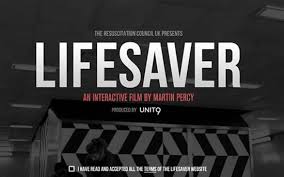
There’s also the Life-saver interactive video which is a very good tool, it ideally needs to be supported by physical practice but it does serve to raise awareness and knowledge.
Are you a health care premises?
The Resuscitation Council said previously that the public expect health care premises to have AEDs available and that Dental and GP practices are no exception. In the latest quality standards they say that Dental and GP practices should have immediate access to a defibrillator. This means that it is not a mandatory requirement but that it is expected normal practice. Also as health professionals it is ideal if you have had formal training on how to use an AED. Why is that different? Because we are health professionals we are expected to have a greater understanding. In my previous blog on the subject of ‘can I be sued?‘ I discussed the Bolam test and that we are judged against the reasonable man, therefore as a health professional the courts would expect a different level of knowledge than that of a lay person.
If you are a dental or GP practice and would like to discuss your training needs then please contact me.
You may also like :-
The British Heart Foundation have launched ‘heels for hearts’ this week and up until the 28th March you can take your old shoes to any BHF shop and the money raised will be used to donate training kits to schools.